The process
Philosophy
I've always been drawn to objects that feel inevitable — as if every decision made in their creation was the only right one. Products like that tend to last. They bring genuine joy. They make you more focused, more at ease, somehow a better version of yourself. I've never found one that wasn't also beautiful.
This isn't coincidence. When the people building something care about it deeply — when that care is present in every decision, from the first sketch to the final material choice — it shows. You can't fake it and you can't replicate it by accident.
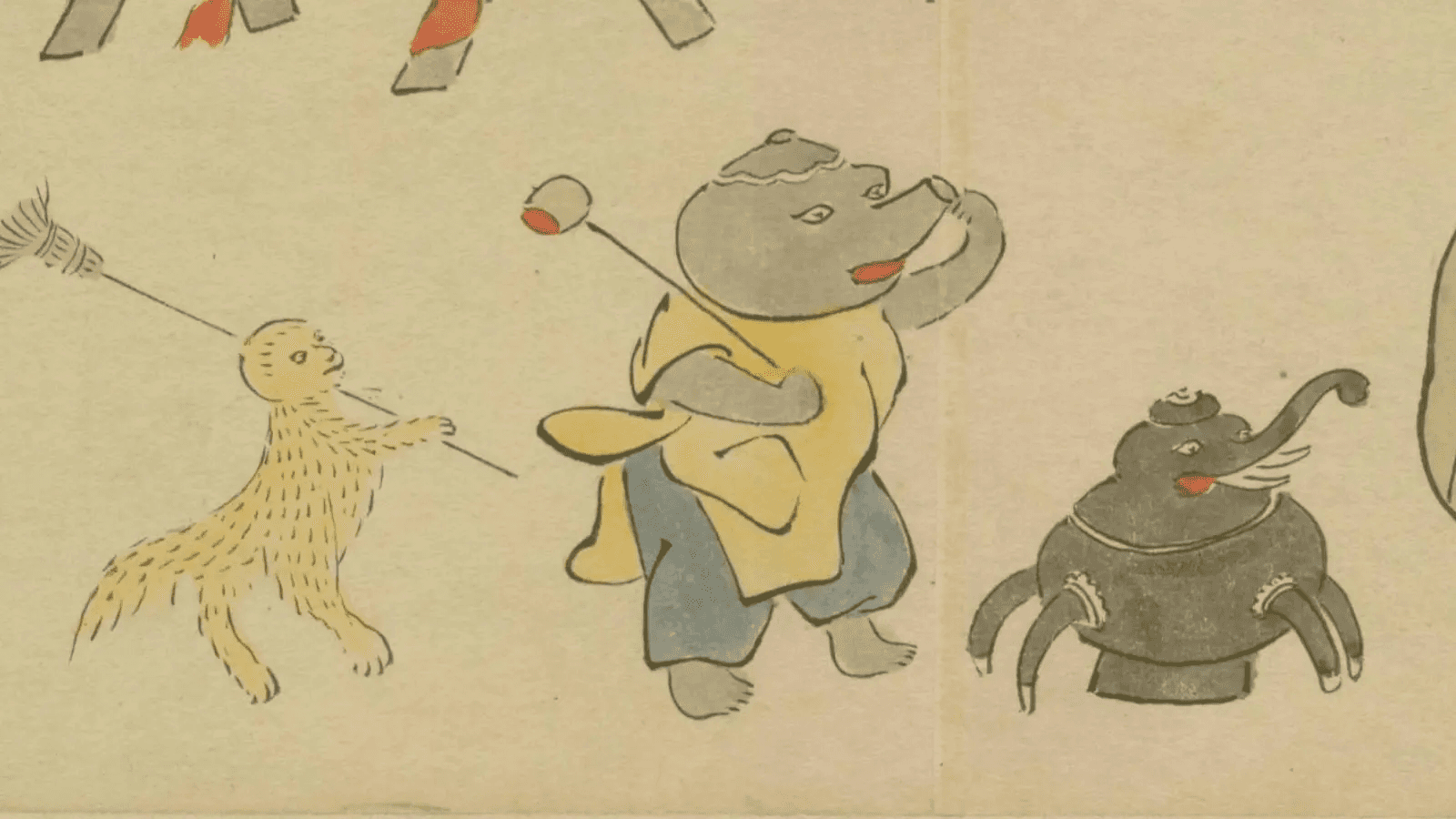
In Japanese Shinto folklore, there's a concept called tsukumogami — everyday objects that, after a century of use, come to life. Objects made with care hold good spirits. Those neglected or mistreated turn malevolent. Other cultures have noticed the same thing.
I design with that in mind. Every project is an attempt to make something worth keeping.
The process
Every project is different. But the thinking behind how I work stays consistent — start with the real problem, not the assumed one, and don't move to the next stage until the current one is genuinely resolved.
0. Problem definition
Before any design work begins, we need to agree on what problem we're actually solving. This is often the most valuable part of the entire process — and the most skipped.
In a working session together, we map out what's known, what's assumed, and what's still open. We define the goal, the constraints, and the criteria for success. For startups especially, this stage can reshape the entire direction of the project.
1. Research & strategy
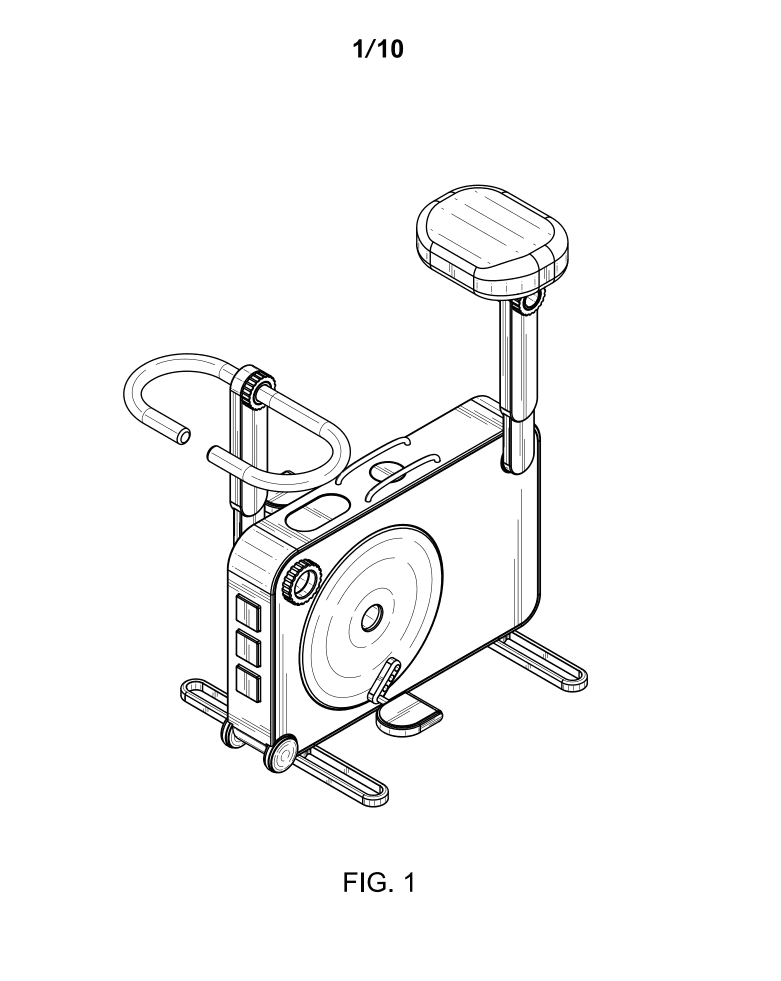
With the problem defined, we build the strategic foundation. This includes market and competitor analysis, patent landscape review, target audience clarity, and — for early-stage companies — often brand positioning that will guide every design decision that follows.
This often happens as a workshop. We work through it together rather than me disappearing and returning with a report."
2. Concept design
The generative phase. Multiple directions are explored through sketches, references, and rough 3D models. The goal isn't to find one answer quickly — it's to find the best answer by genuinely exploring the space.
Several concepts are presented and discussed. The strongest ones move forward.
3. Preliminary design:
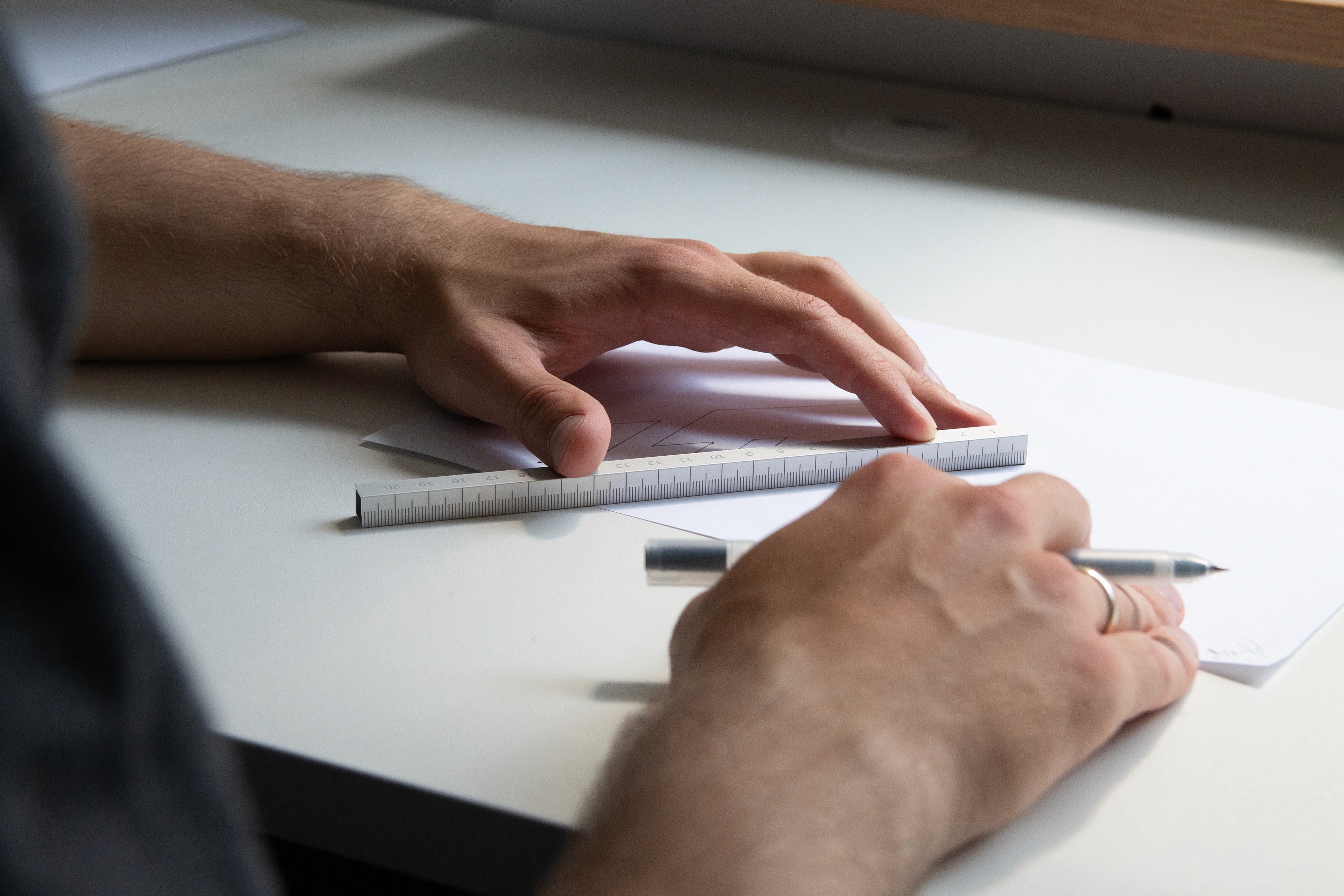
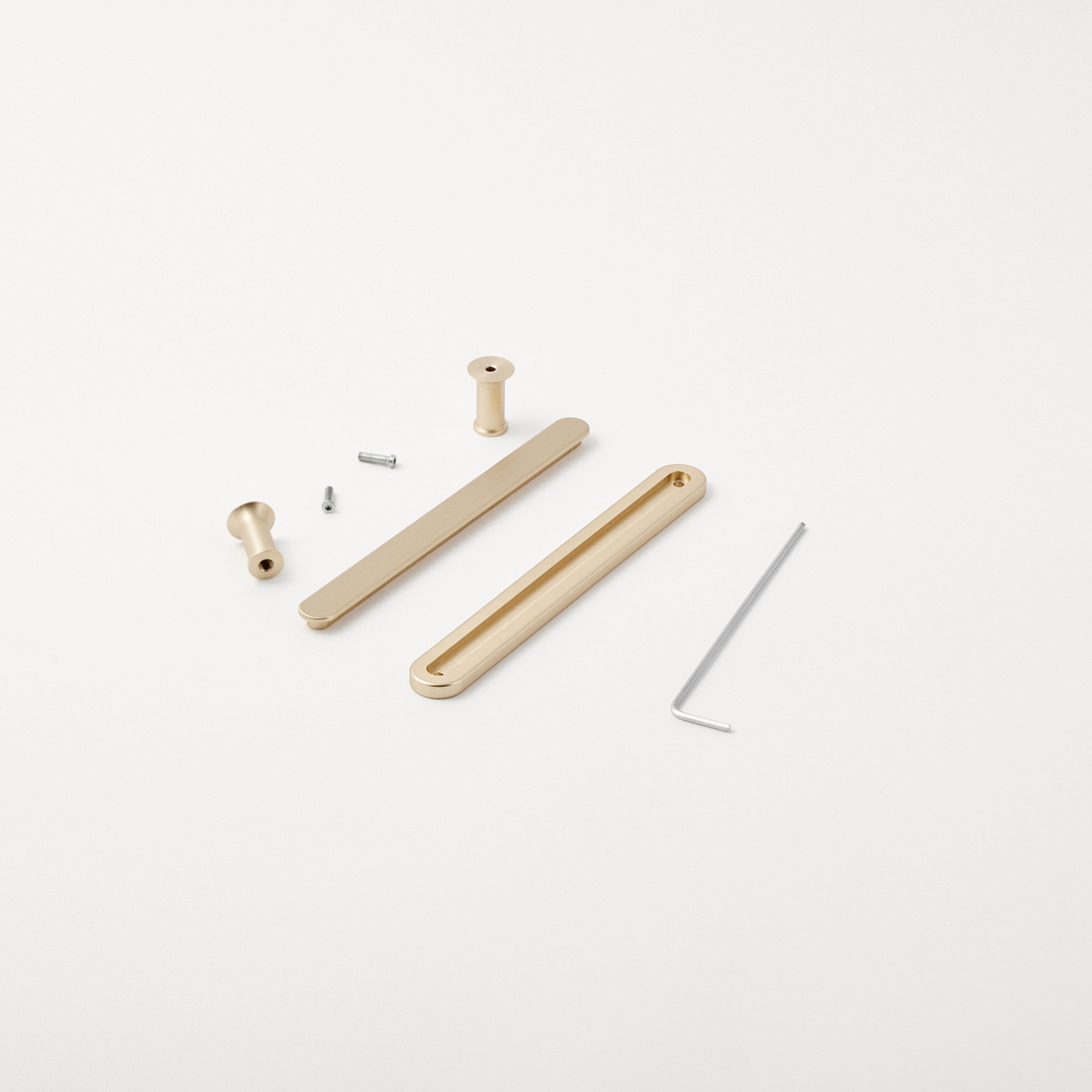
Two or three concepts are developed in depth. CAD models are built, 3D prints are made, and we test ergonomics with physical prototypes in hand — not on screen. This is where theoretical decisions meet reality.
Visualisations at this stage are detailed enough to test market response if needed.
4. Detailed design:
One direction is chosen and refined to production standard. I work closely with engineers and manufacturers to make sure the design holds up under real constraints — tolerances, materials, assembly, cost. The goal is to protect the design intent through this process, not just hand it over and hope.
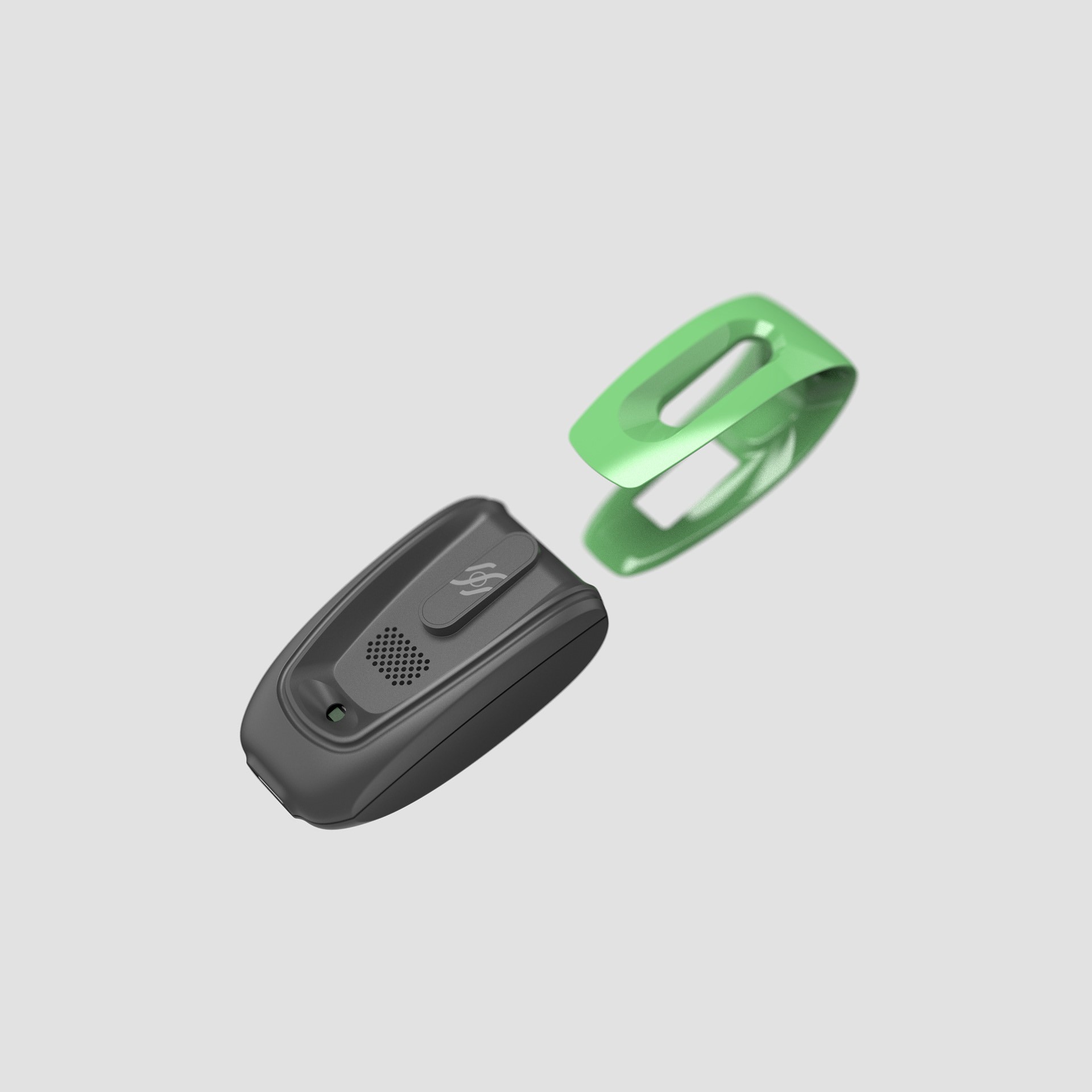
First prototypes are ordered. High-fidelity visualisations are produced.
5. Production:
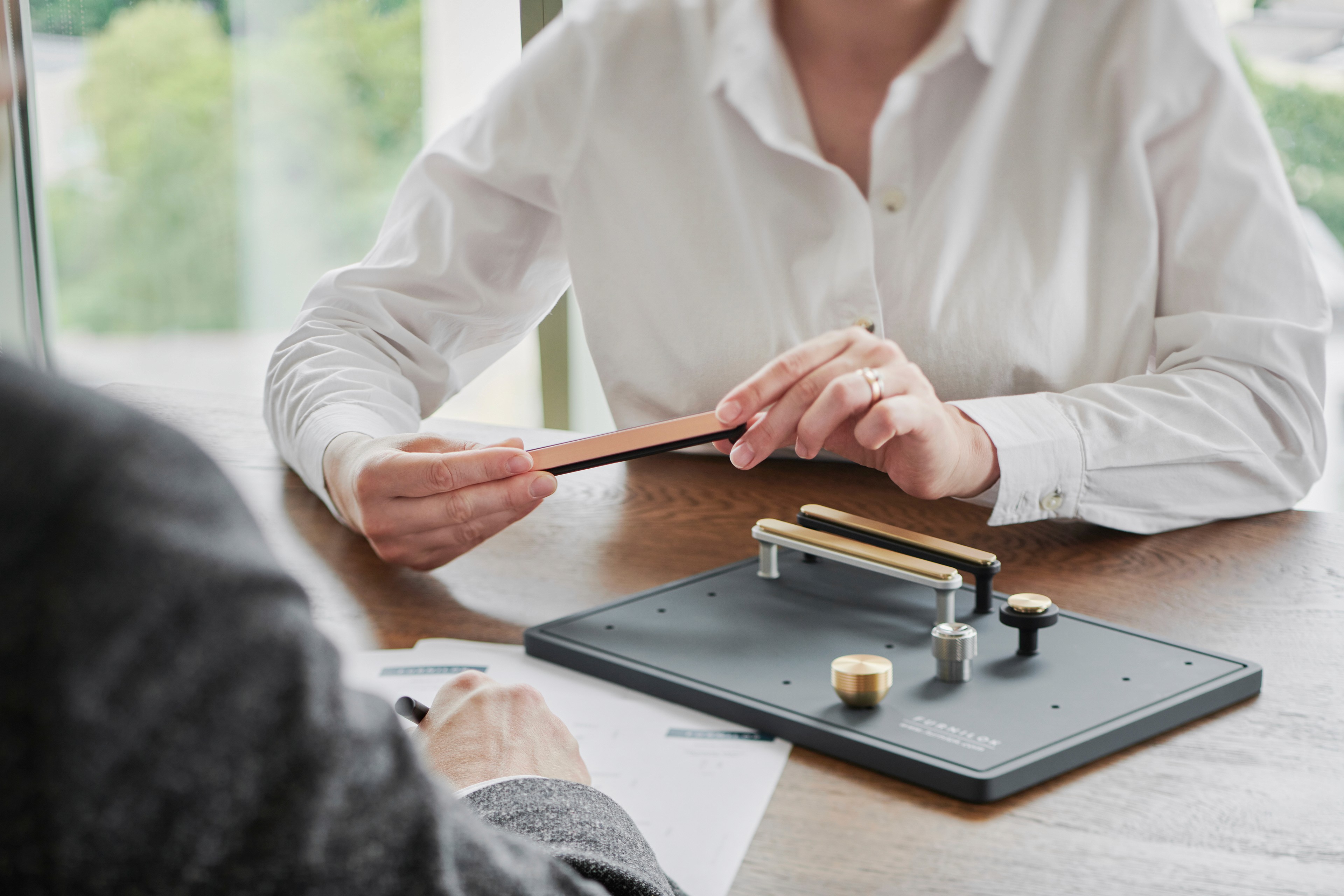
The design doesn't stop at the handoff. I stay involved through production — in ongoing dialogue with manufacturers and engineers — to make sure what gets built is actually what was designed. The details that matter most to how a product feels are often the first to get value-engineered away. My job is to make sure they don't.